We use cookies to make your experience better. To comply with the new e-Privacy directive, we need to ask for your consent to set the cookies. Learn more



An Ode To Mango
We don’t spend enough time talking about wood here at SUS. Especially in this newsletter. I know that regular readers may have gotten sick of my woodgrain obsession but I would like to correct the course of this friendship by offering a little perspective. To poorly paraphrase Neil Degrasse Tyson - “When people imagine precious or rare materials we often consider these to be things like gold and diamonds, but there are dust clouds, asteroids, moons, even entire planets in the known universe made up entirely of gold and diamonds. Wood, however, is one of the rarest materials in existence, purely because of the general absence of water outside of our atmosphere, no water, no trees, no wood”. Therefore, when you look at your ukulele and it has a particularly special grain pattern or amazing figuring consider for a moment just how rare that is.
For this reason, I’d like to celebrate how unique even same make and model ukuleles can be in their wood selection. Alex brought to my attention how different the latest collection of mango topped Night Owl Tenors are as a perfect example, so we’re taking a closer look at them in appreciation of one of the most precious materials this branch of the multiverse has to offer.
Same same, but different...
We’ve discussed at length the emergence of Mango as a tone-wood in the ukulele world before. There was a time when something high-end might, MIGHT, have a smattering of mango as an unusual option (namely the KoAloha Naupaka for example), but then I take a brief eight year hiatus from the ukulele retail world and boom, everyone and their mum’s are packing serious mango heat. It was a welcome explosion of popularity, and a justified one at that with mango offering sweet and clear tones unlike anything else on available, with of course the added bonus and todays focus, visual excellence and variety to entice even the fussiest of grain snobs.
In an obnoxious move, I have decided to include full sized images of last three Night Owl Mango tenors that I listed on the website for your perusal.
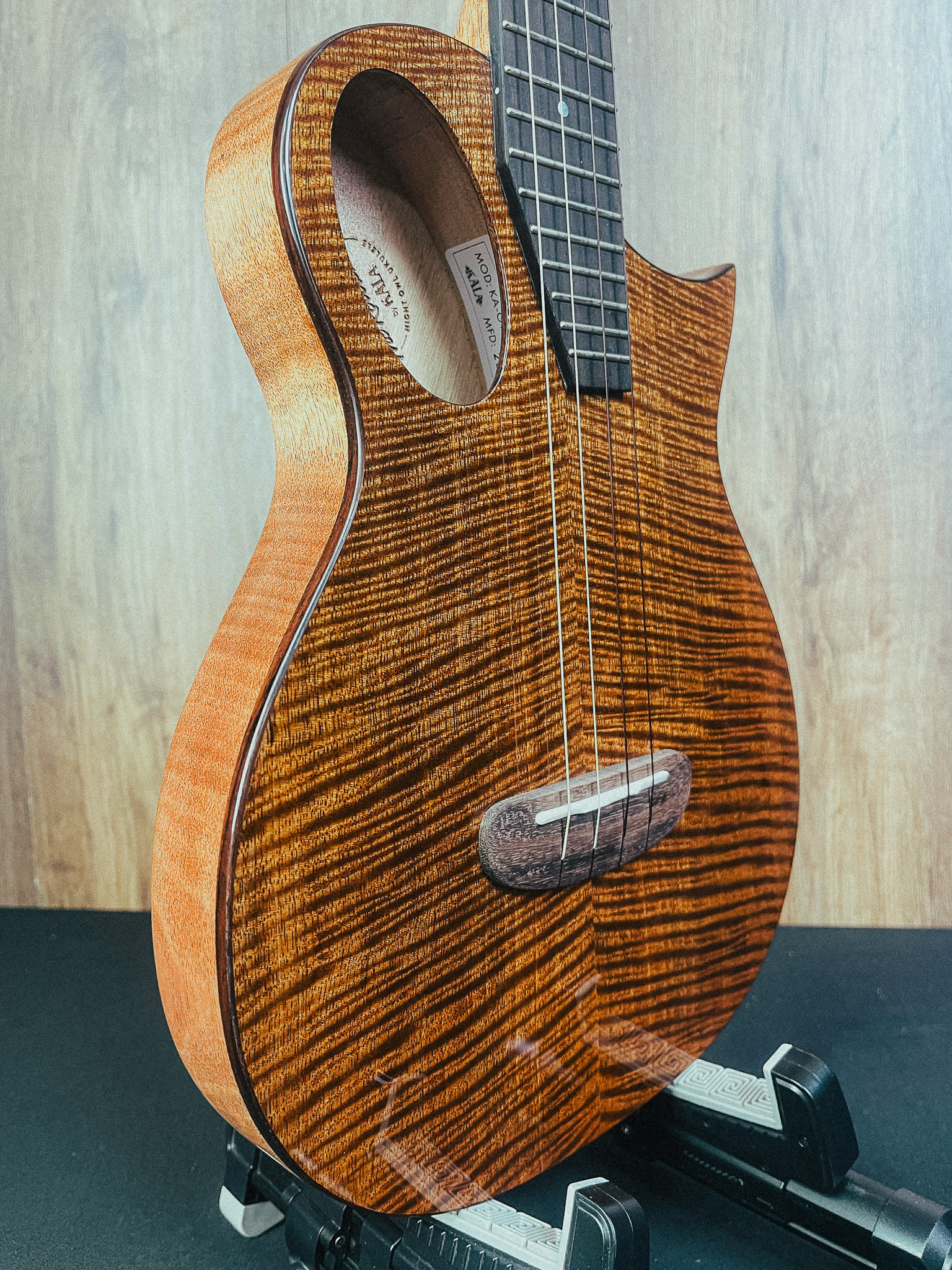
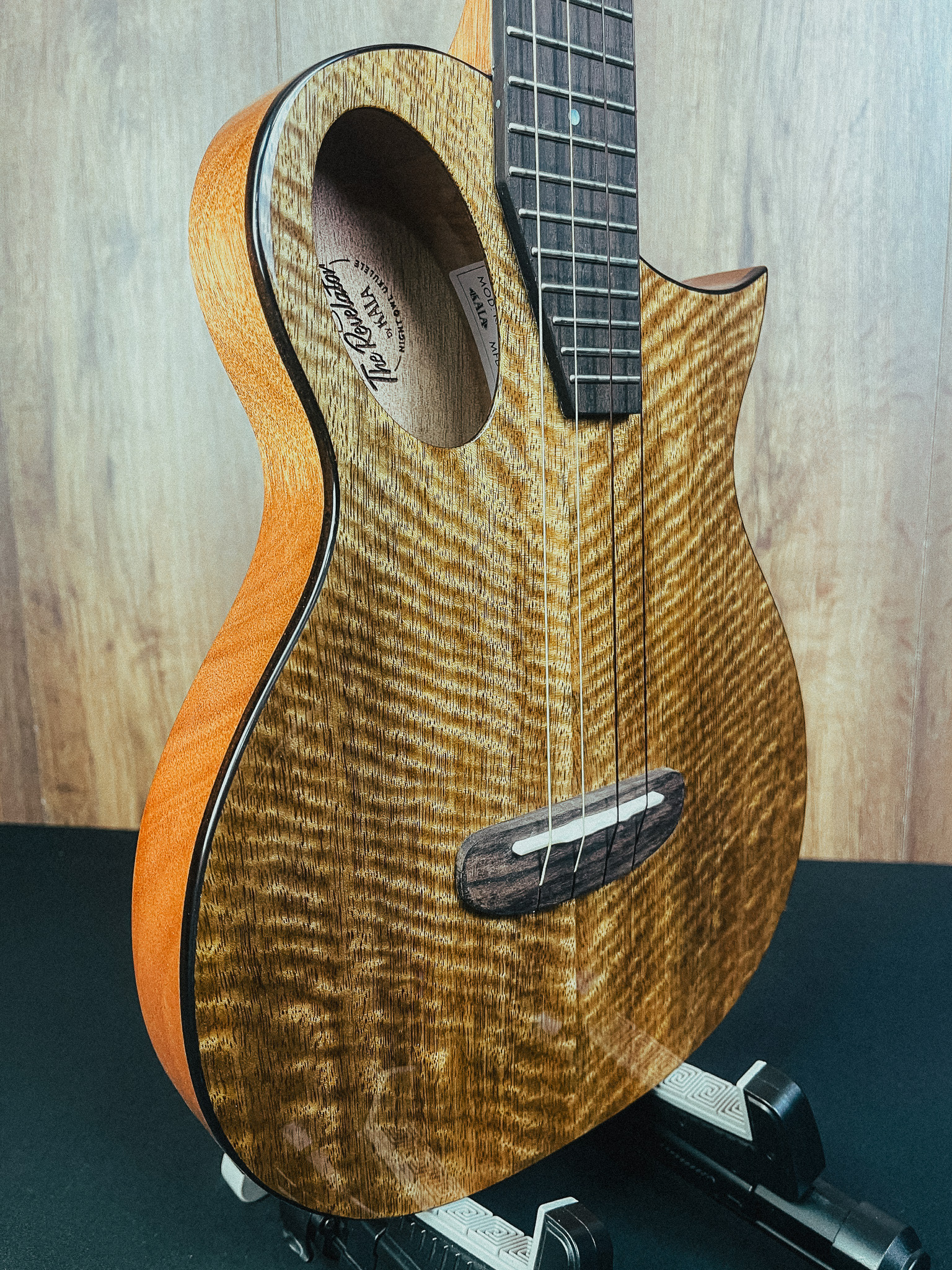
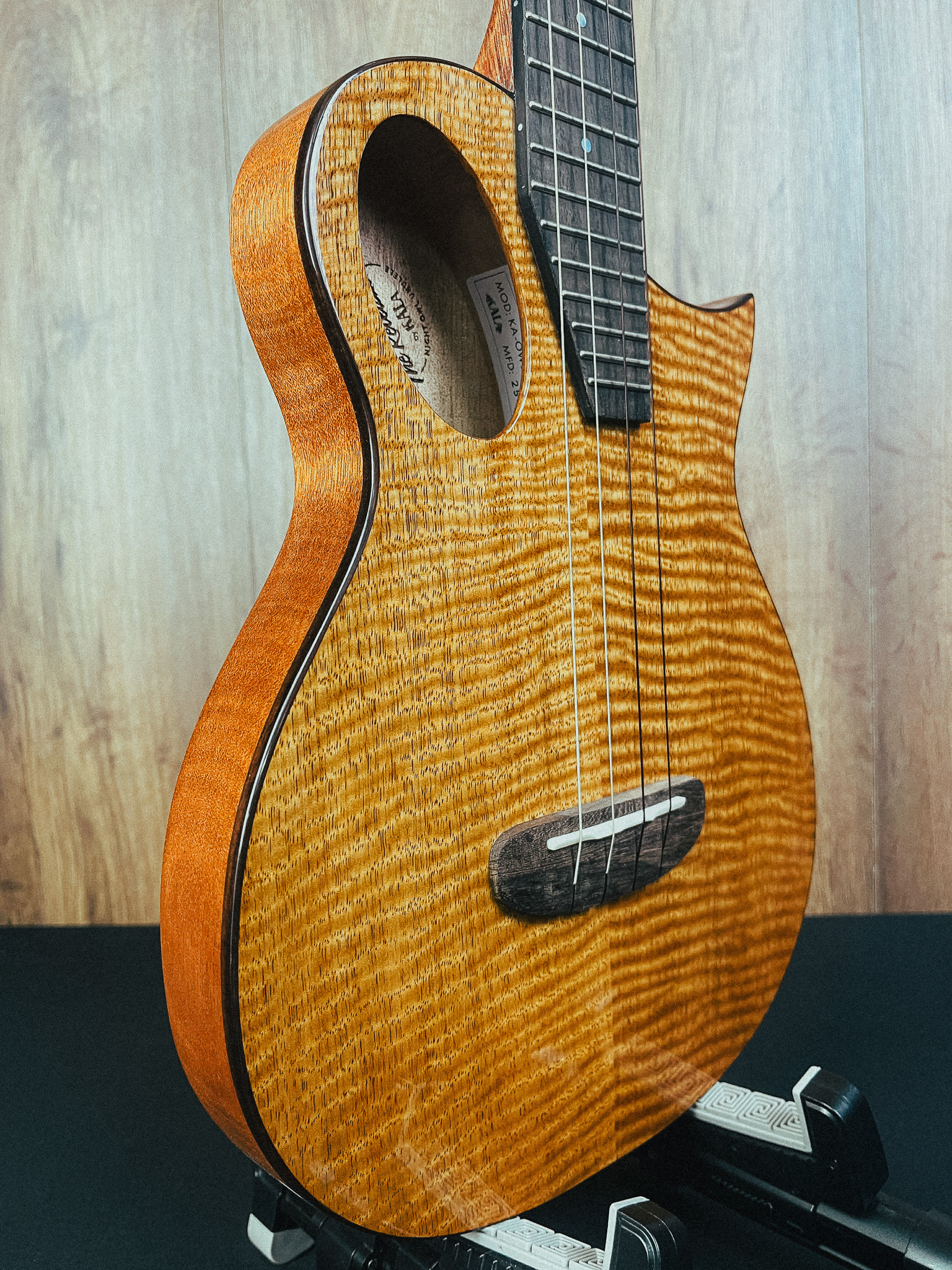 These are (as designated by us in store) serial numbers #1, #5, #7 respectively. I think we can all agree that there are significant differences in the three. From a personal standpoint, I think #1 is just the cats pyjamas with its deep and dark tiger stripes, strong contrast and wild depth in the striping, but of course I can appreciate the more subtle figuring of #5 and the lighter, more jovial yellowing of #7. But this just exercises my point, a point I have made before and one I will stand by until I hear anything to compel me otherwise. One can have the same make and model ukulele as the person sat beside me at ukulele club but it looks totally different, it gets to be mine, uniquely.
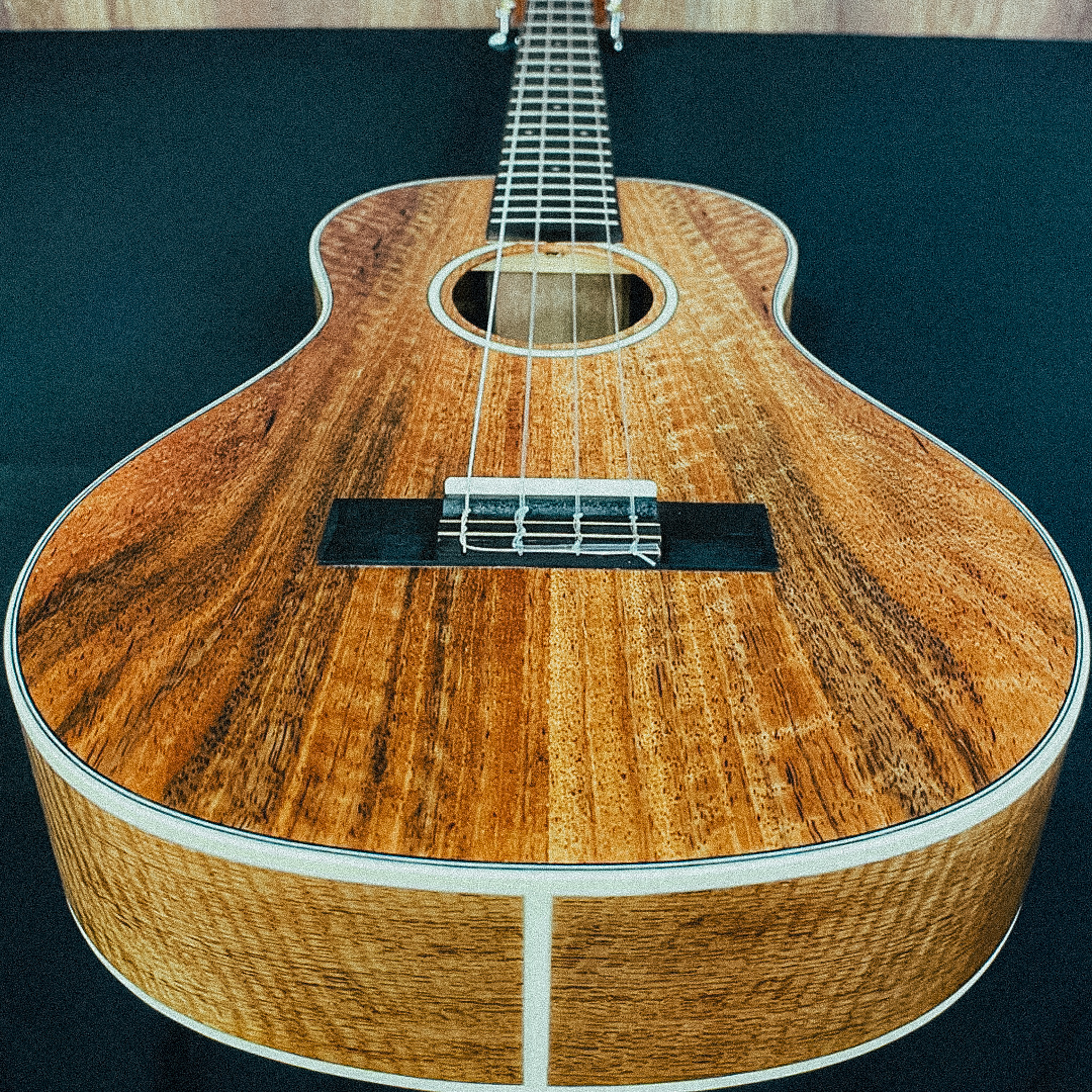
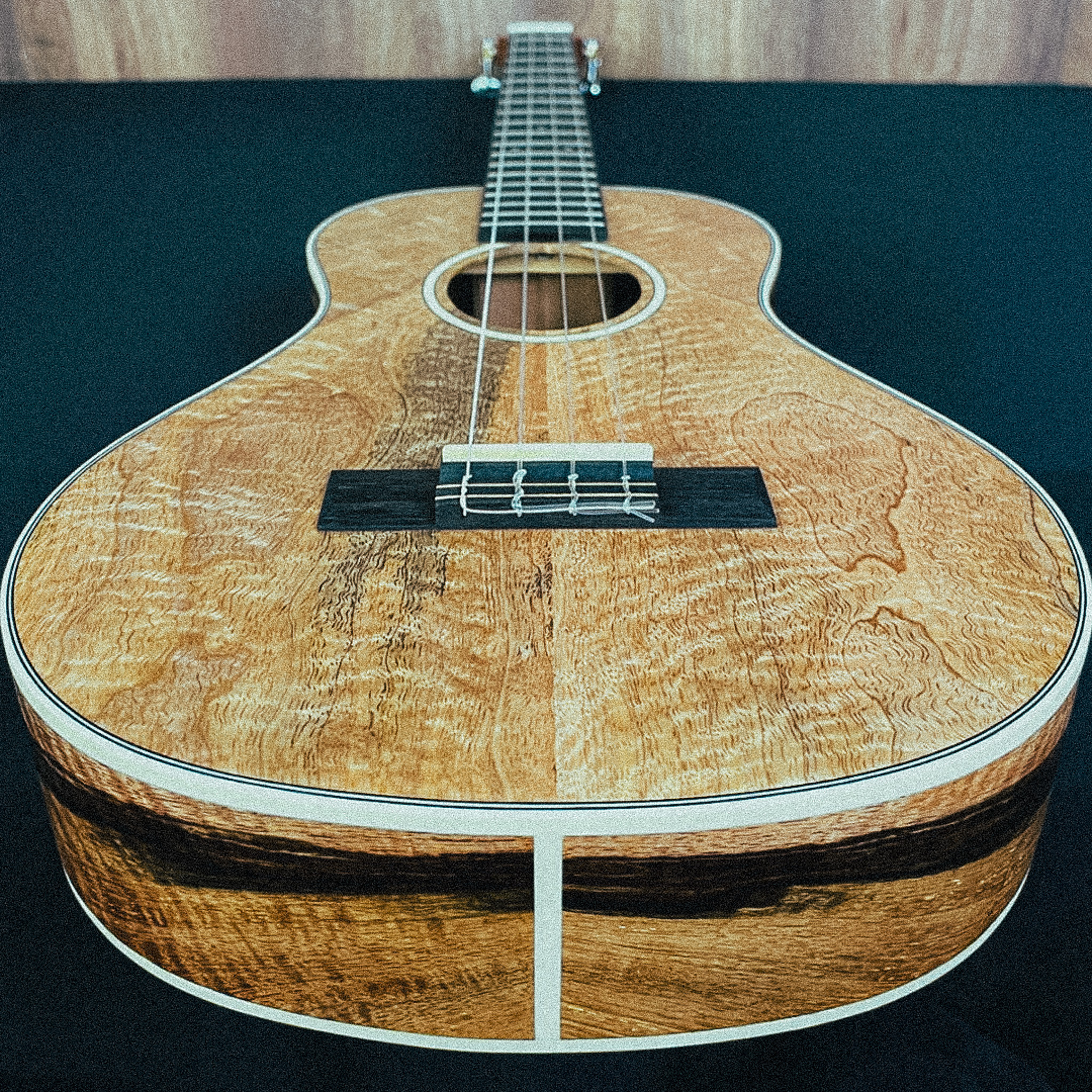
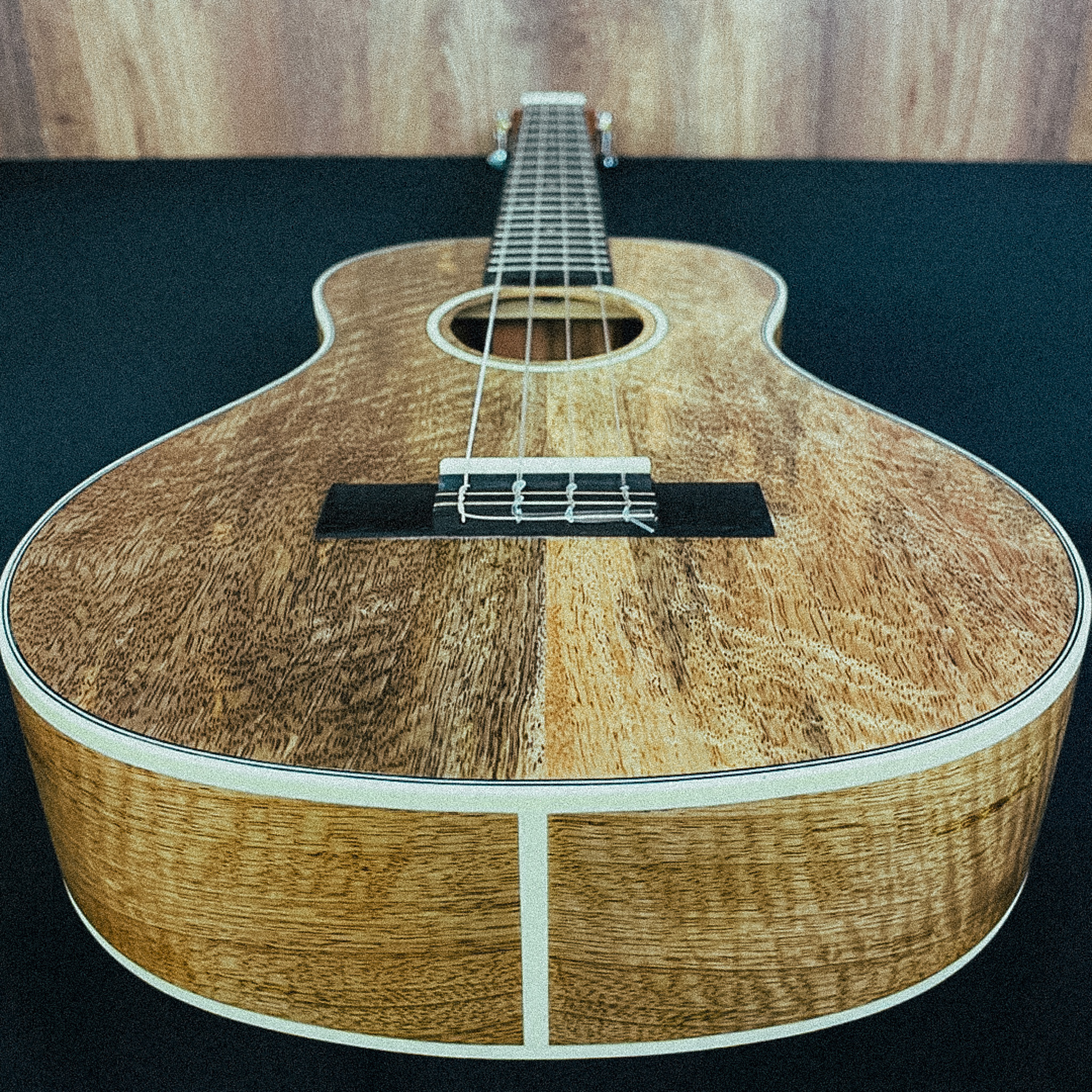
To solidify the point, take a look-see at three examples of a different model from Kala to the Night Owl. The AMNG-XL acoustically, visually, and physically is rather far away from the Night Owl in so many ways. Even fuller bodied than a standard tenor and with more tension due to its slightly increased scale length, it is huge to look at and huge to listen to. But, again, it’s made from mango. If you weren’t an aficionado then one could be forgiven for assuming these contrasting models were made from different woods.
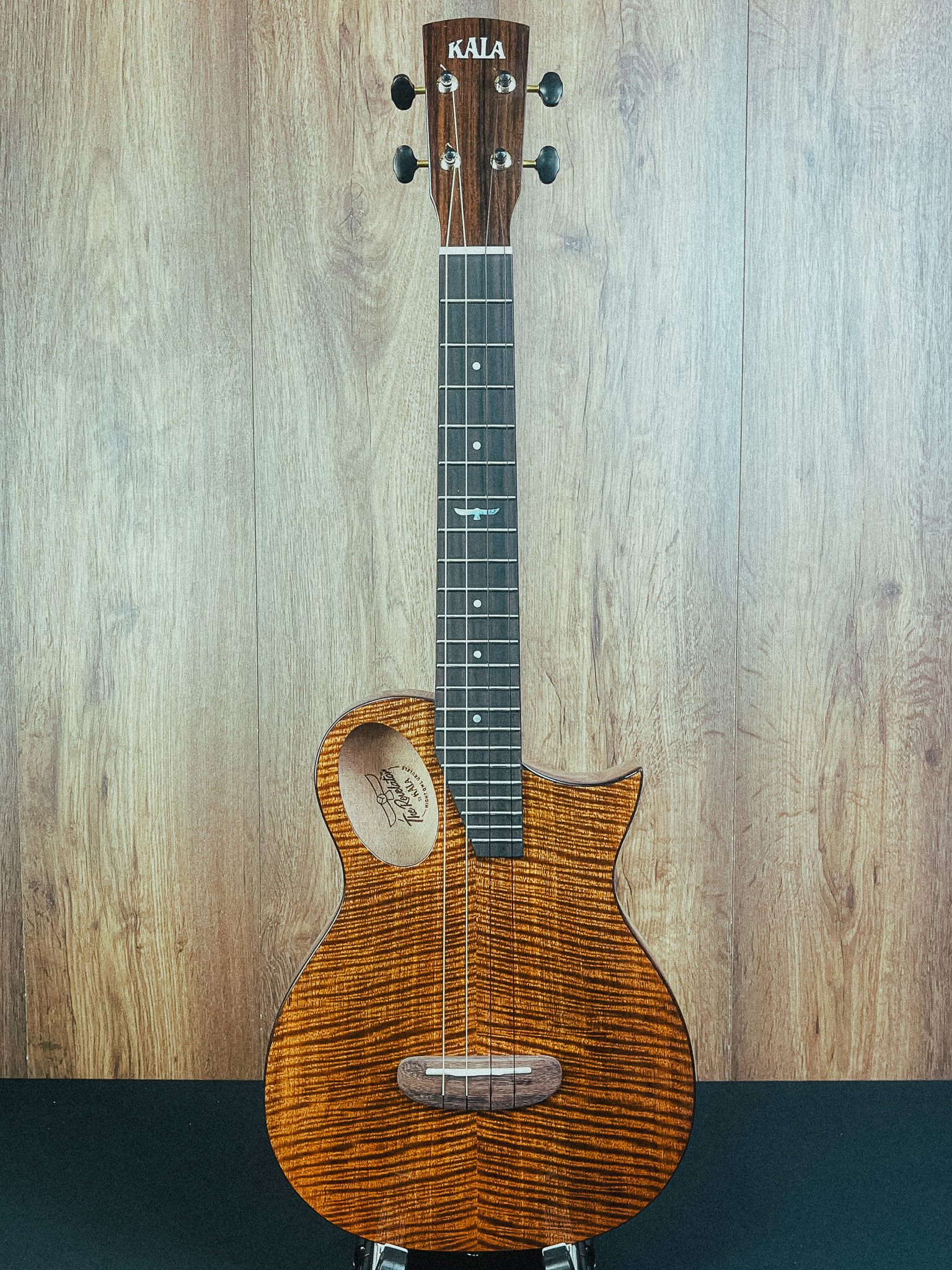
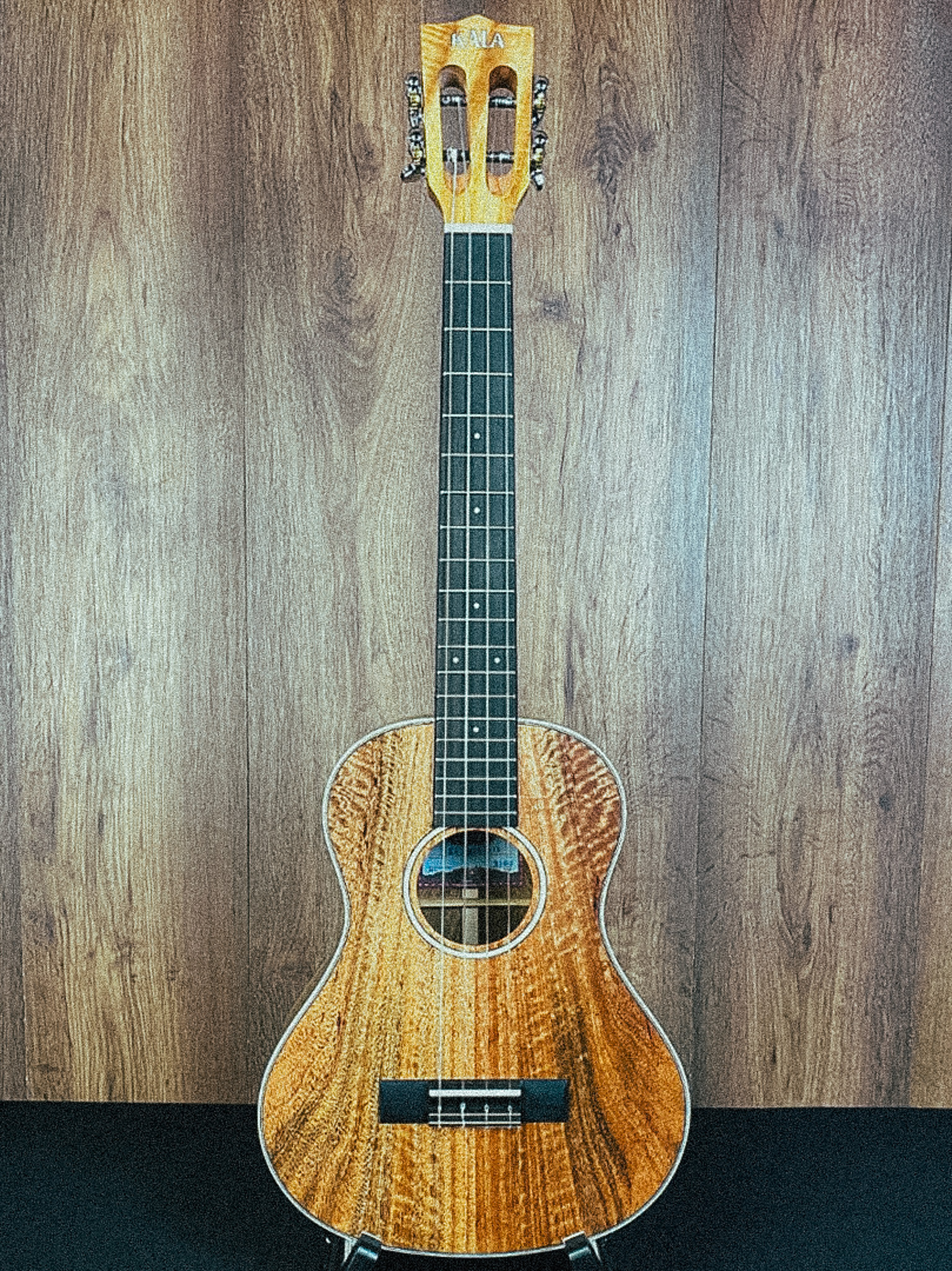
Standing Night Owl #1 and AMNG-XL #1 drives my point totally home and brings us to the conclusion of this weeks ramble. My final thought on the matter; You can’t really steer wrong when it comes to mango, but you can steer very right. Like eating pizza, even objectively “bad” mango is still pretty good, and we are blessed with a whole bunch of good stuff at the moment.
So how to wrap this week? I had a lot of fun with my poor Star Wars word play last week, maybe a mango one today.
Mango wood, man pitch tent, man sleep, man wake up, man collapse tent, mango home.
Let’s see AI come up with a gem like that?! Keep on strumming legends!
Customer reviews
-
Trustpilot Reviews - Trustpilot Southern Ukulele Store Reviews